
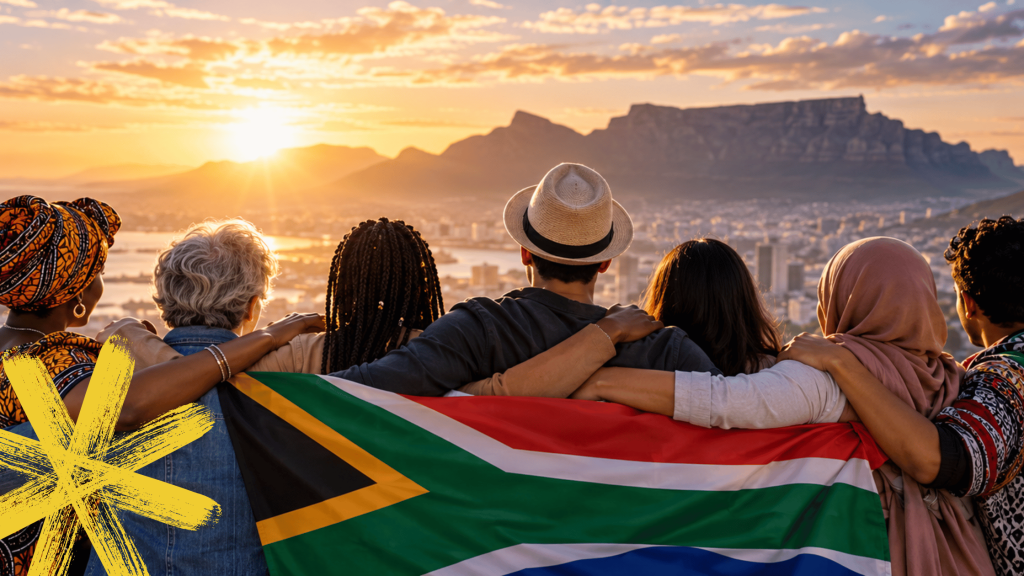
As South Africans celebrated Heritage Day on the 24th September, the nagging question that filled the air for me was; “What makes South Africans feel they are included, that they belong and that there is sufficient equity in our diversity? Have these become mere words spelled in documents to satisfy regulation or are we living proof that there is a world where humanity embraces, truly embraces, the energy of these words?
Well…the evidence speaks louder than speculation. According to the Deloitte’s South African Human Capital Trends 1, research found that 84% of South African respondents said fostering belonging was important to organisational success, 78% agreed that creating belonging supports and drives organisational performance but only 44% said their organisations were ready to address it. Being ready to address it; doesn’t mean it is being addressed.
Imagine – if feeling of belonging could positively impact an organization, what could it do for other areas of life? What could possibly be preventing individuals from including others? From creating a space that nurtures belonging? What is needed to belong? What makes that so important? What is contributing to the lack of real diversity, where individuals can freely contribute and feel that their presence is welcomed and appreciated.
Achieving geographical diversity, having rules and laws governing diversity, equity, inclusion and belonging is only one small part of the equation. It comes down to truly immersing into the value that is created through the embodiment of including others, listening with intent to hear another’s viewpoint and enabling a space that makes individuals feel like they really belong and their part is worthy.
A statistic that shifts DEIB to priority status should be this one – “93% of the respondents believed that reporting non-inclusive behaviour would negatively affect their careers.” 1 We are no longer only talking about DEIB matters; we are talking about psychological safety and matters that affects one’s well-being, families, communities, South Africa as a whole and the world at large. Why are we still pretending that our Rainbow family is doing well?
The effect of exclusion and un-belonging spreads further than meets the eye; it represents voices silenced, perceptions and opinions unheard, innovations pushed away and ideas locked away never to be expressed. These are contributors that dumbs down a nation’s potential.
Where does it start? Definitely not in the boardroom or workplace. I truly believe it starts with us. As individuals we have the ability to walk through our days with awareness and conscious choice-making. How are we contributing to excluding others, silencing them and muting their expressions? What makes us contribute in this way? More importantly, does this mean that we’ve got our own work to do?
Instead of focusing on what we can lose as individuals, what would happen if we started focusing on what we could gain as a collective? As Dr Alban asked: “Hello Afrika, tell me how you are doing?”
Author: Deneera Singh
DEIB- Volunteer
Reference:
